
Bandoneon Basics – Simple Answers for Beginners
Welcome to this easy-to-follow introduction to bandoneon basics. In this guide, you’ll learn what the bandoneon is, how its mechanism works, how it produces its distinctive sound, and why it stands out among other free-reed instruments. The explanations are clear, practical, and designed for anyone exploring the bandoneon for the very first time.
What You Will Learn About Bandoneon Basics
This page gives you a clear and structured introduction to the most important bandoneon basics. You will learn what the instrument is, how it works, how its sound is created, and why its button layout feels so different from other free-reed instruments.
For more in-depth articles and background knowledge, you can also visit the Bandoneon Blog .
A Quick Introduction to Bandoneon Basics
The bandoneon is a free reed instrument known for its warm, emotional and highly expressive sound. Unlike the accordion, it uses two independent button layouts, and many buttons produce different notes depending on whether the bellows are pushed or pulled.
These features form the core of bandoneon basics and help beginners understand why the instrument feels both unique and surprisingly intuitive once its structure becomes familiar.
For a clearer comparison with related instruments, you can visit the Bandoneon Instrument Comparison – FAQ .

How the Bandoneon Works – The Essential Basics
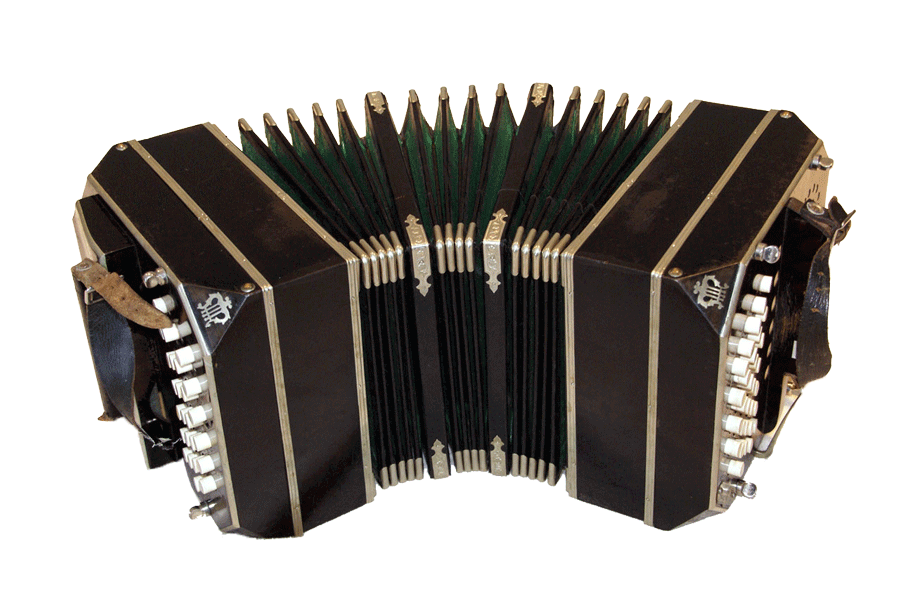
Understanding the mechanism is an important part of bandoneon basics. The instrument produces sound when air moves through metal reeds inside the bellows. Each button opens a small valve, allowing air to flow across a specific reed.
Because many buttons create different notes when pushing or pulling the bellows, beginners quickly discover a system that is unusual at first but highly expressive once the basic logic becomes familiar.
If you’re considering buying a bandoneon or want to understand how to care for one, you can explore more details in the Bandoneon Buying & Maintenance – FAQ .
Bandoneon Sound – What Beginners Should Know
The bandoneon is known for its vocal-like and highly expressive sound. It can produce soft, warm lines as well as bright, rhythmic accents, depending on how the bellows and buttons are used.
For beginners, understanding this wide sound range is an essential part of bandoneon basics, as it helps develop a sense for the instrument’s character and musical possibilities. To hear these qualities in real performances, you can explore the Bandoneon Videos .

Bandoneon Basics – Frequently Asked Questions
The bandoneon works by pushing and pulling air through metal reeds using a bellows. As the player presses buttons on both sides, different notes are produced depending on the direction of the bellows. This two-sound system is called “bisonoric” and is a key feature of bandoneon basics.
Want to understand the instrument’s mechanics in more detail? Read my blog post:
👉 What Makes Bandoneon’s Structure and Sound Unique?
The bandoneon is a free-reed musical instrument, similar to a concertina, known for its rich and emotional tone. It was invented in 19th-century Germany and became central to Argentine tango music. Played with both hands, it produces sound by pushing and pulling bellows while pressing buttons.
To learn more about how the bandoneon is built and why it sounds so unique, check out our detailed article:
👉 What Makes Bandoneon’s Structure and Sound Unique?
The bandoneon was invented in Germany in the mid-1800s and used in religious and folk music. It later reached Argentina through European immigrants, where it became central to tango culture and gained a deeply emotional and expressive role.
Discover the full story behind its cultural journey in our article:
👉 Bandoneon Origin: Where does this instrument come?
Continue Learning Beyond the Basics
Once you understand the essential bandoneon basics, you can explore more detailed topics. The following sections guide you through learning techniques, instrument comparisons, buying advice, and the cultural history behind the bandoneon.